Conversion-Focused Web Design: The Complete Guide
Explore more articles from The Omis Digital Blog.
Most websites are built to look good. The best ones are built to do a job. They guide each visitor toward one clear action. That is the heart of conversion-focused web design.
This guide covers the full framework we use. It also links to two deeper posts on the things that matter most. Those are cutting friction and improving speed.
What Conversion-Focused Means
Every page should have one job. You are not just filling a screen. You are building a path. First you earn attention. Then you give clarity. Then you build trust. Then you ask for action. If an element does not help that path, cut it.
The Core Principles
One goal per page. Never make people guess what to do next.
Clear words. Plain language beats clever taglines.
Real proof. Results and reviews build trust fast.
Low friction. Fewer fields, fewer clicks, fewer choices.
Fast load. Speed is a feature, not a detail.
Start With One Clear Goal
Before you design, pick the one action you want. It could be book a call, get a quote, or start a trial. Then make that action the most obvious thing on the page. Repeat it. Keep other buttons out of the way.
Cut Friction
Friction is anything that makes a visitor stop. It can be confusing copy, long forms, or slow steps. We list the most common ones in 7 landing page mistakes that quietly kill conversions. Start there if your traffic is not converting.
Speed Helps You Convert
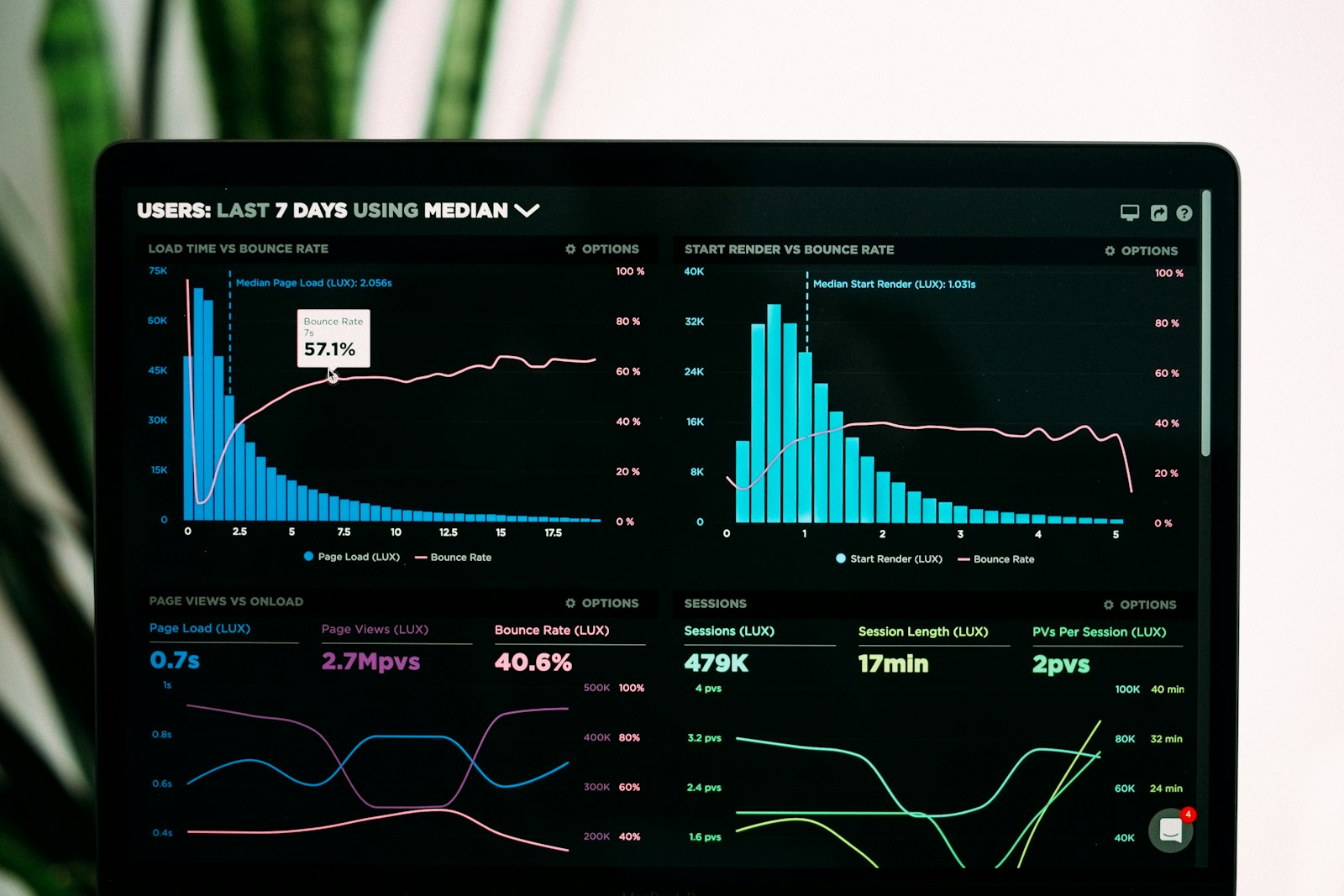
A slow page loses people before they read your headline. We cover the data and the fixes in website speed and conversions. It also shows how speed helps your SEO.
Proof Beats Promises
People trust proof more than big claims. So show results. You can see this in our case studies. They are real projects with real outcomes.
Where to Go Next
Want a site built to convert from the start? See our web design services. If not, read the two posts above first. They are the fastest wins.